Shavei Zion
Return to Zion
Explore memorials
Memorials in connection with Shavei Zion you can visit.
"Schawei-Zion"
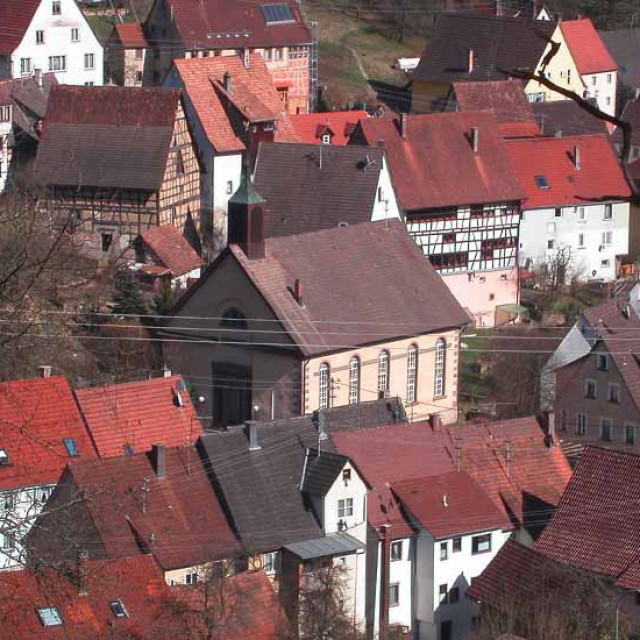
Shavei Zion (also known as Schawei-Zion) refers to a village in northern Israel that was founded in 1938 by Jews from the Swabian community of Rexingen in Baden-Württemberg gegründet wurde. The permanent exhibition “Place of Refuge and Promise” in the former synagogue in Rexingen is also dedicated to this place.
Tradition: Religious life in Shavei Zion since the settlement was founded in 1938
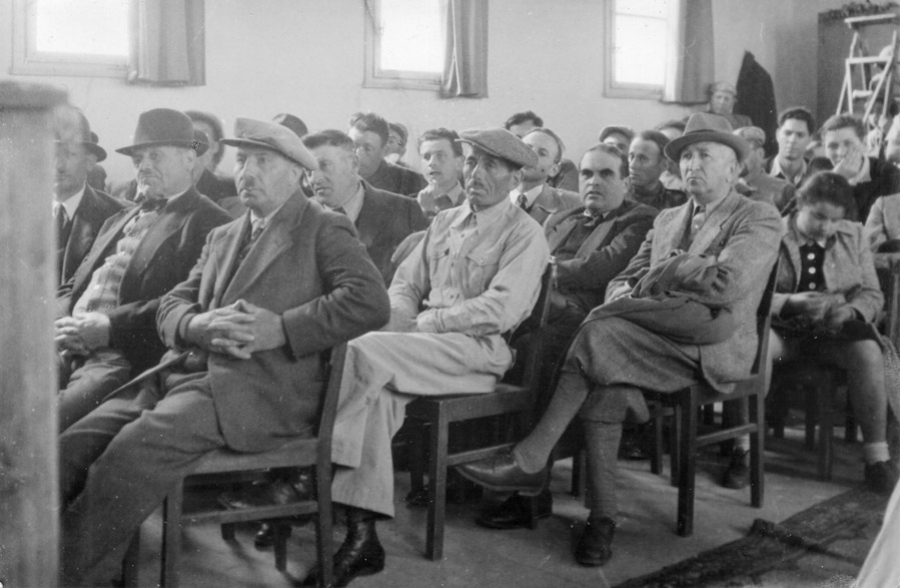
In her essay “Tradition,” Judy Temime describes the religious life of the Shavei Zion settlement from its beginnings to the present day.
She begins her essay in Rexingen in 1938. At the service in the Rexingen synagogue, where the first group of settlers was bid farewell in 1938, teacher Seev (Wolf) Berlinger gave a memorable speech as spokesperson for the settlers.
Chanukah – the tradition of the Festival of Lights in Shavei Zion
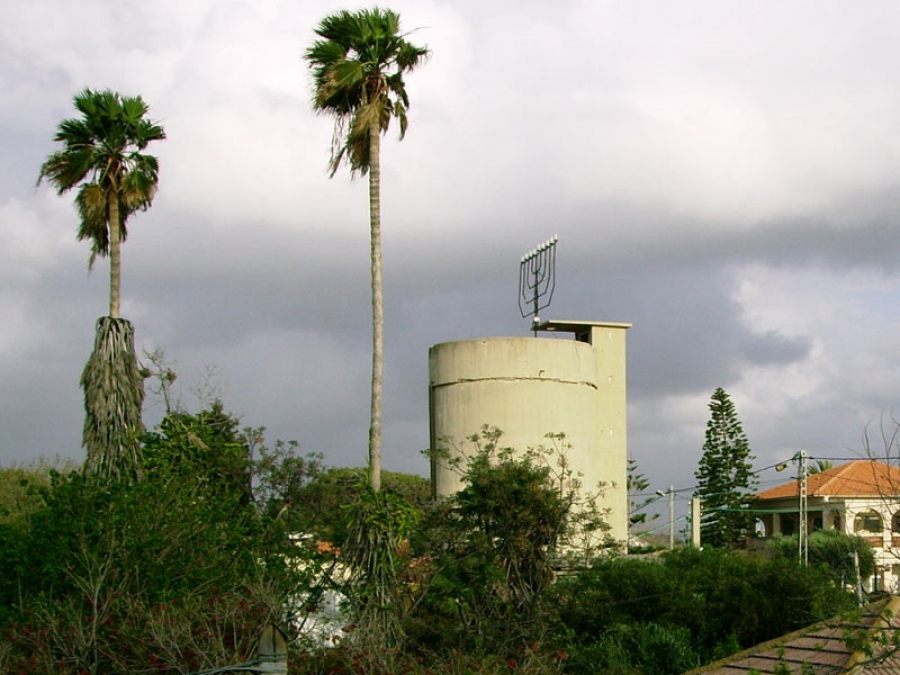
In December 2013, the first essay on the celebration of Hanukkah in Shavei Zion since the 1940s was published. The occasion for this retrospective was the installation of a new menorah on the historic water tower in Shavei Zion. It is illuminated electrically every year during the Festival of Lights.
In her essay "Chanukah", the author quotes childhood memories and written accounts of village stories.
Names and symbols for Shavei Zion. Part 1
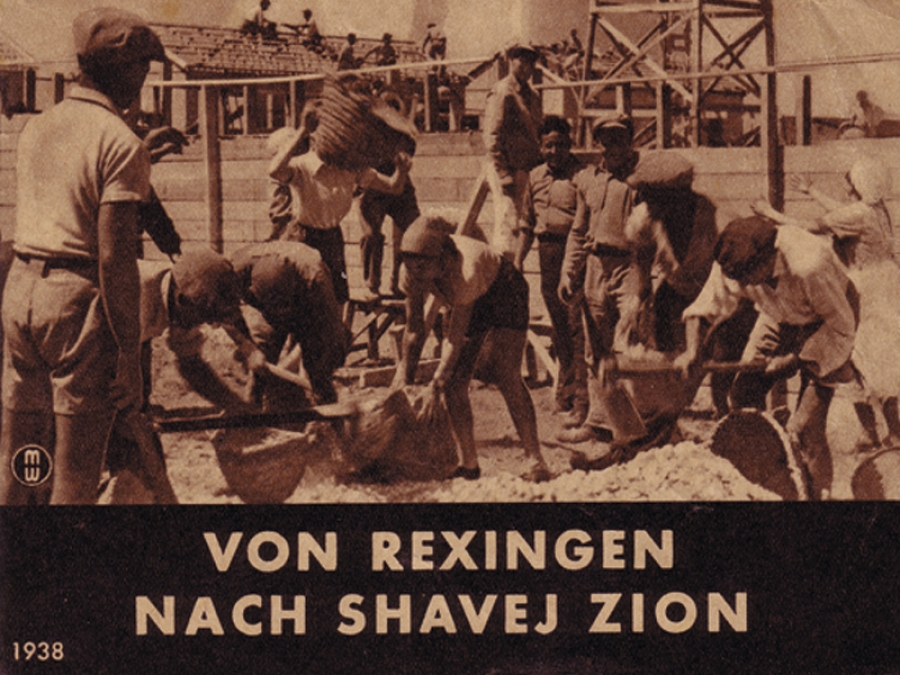
In her article “Name and Symbol: Part 1”, Judy describes the difficulties of finding a name for the new settlement on the Mediterranean.
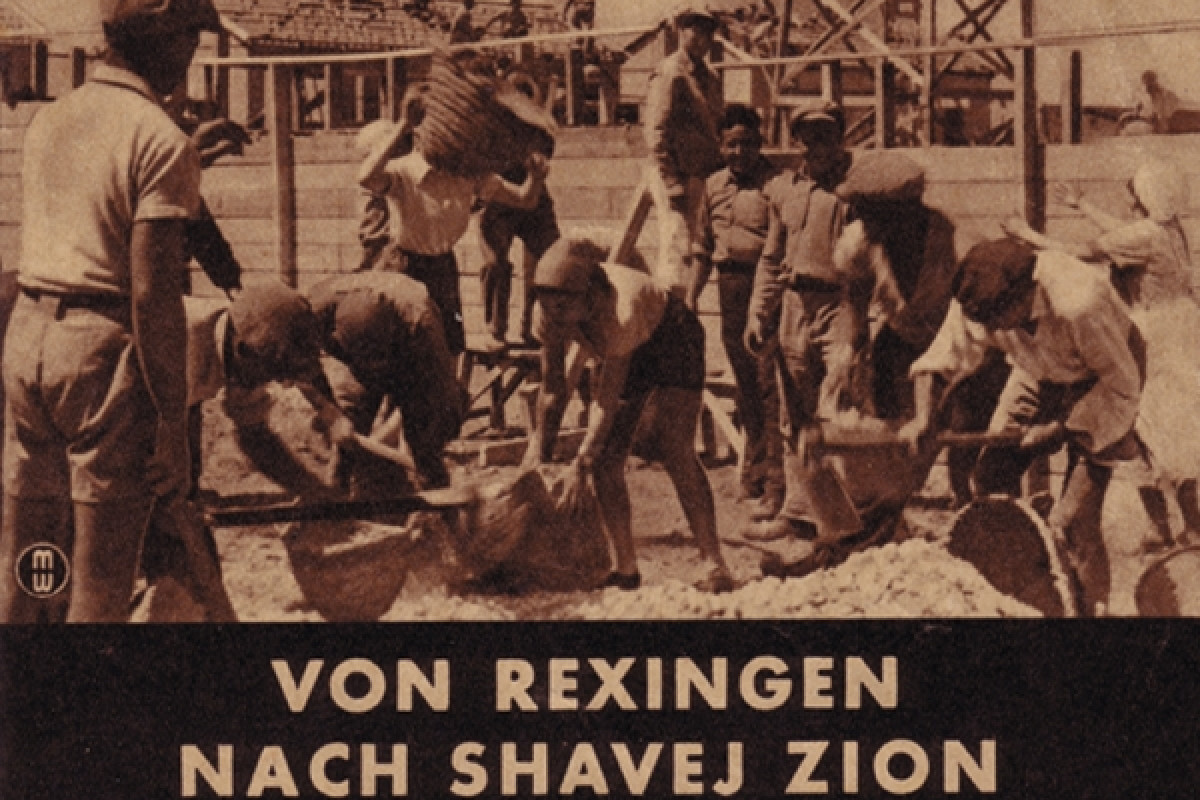
This first part is concerned with the very early years of Shavei Zion, for example building the barracks and the role Shavei Zion played in advertisements for emigrating from Nazi Germany.
Hebrew and German in Shavei Zion
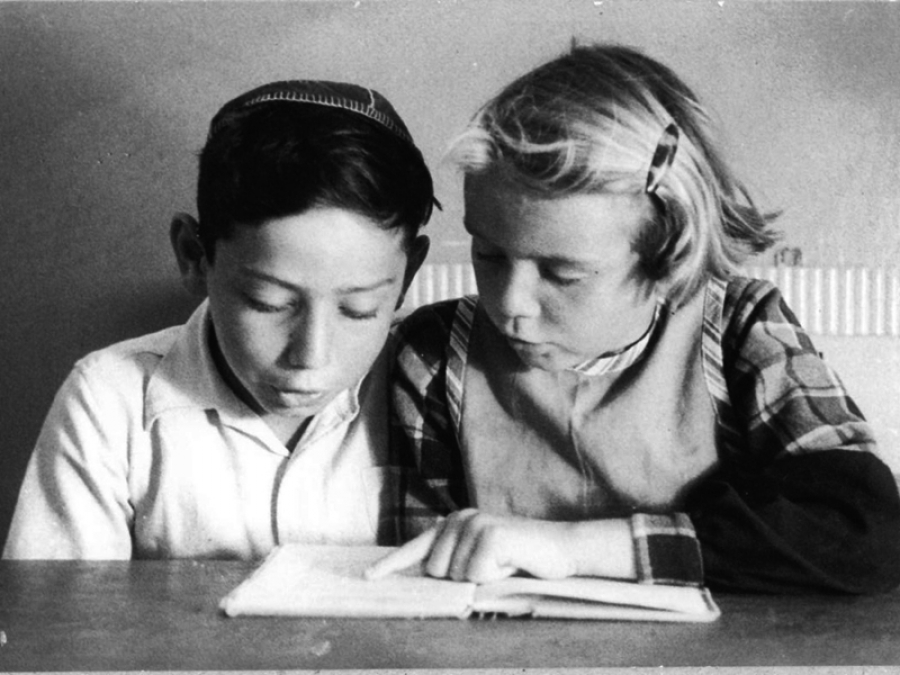
In her contribution “Hebrew and German", Judy examines the role played by the German and Hebrew languages in Shavei Zion's early years.
While children and youths quickly learned Ivrit, not least because of their dedicated teachers, the elders often struggled adopting the language of their new home country.
Transportation and Transport in Shavei Zion
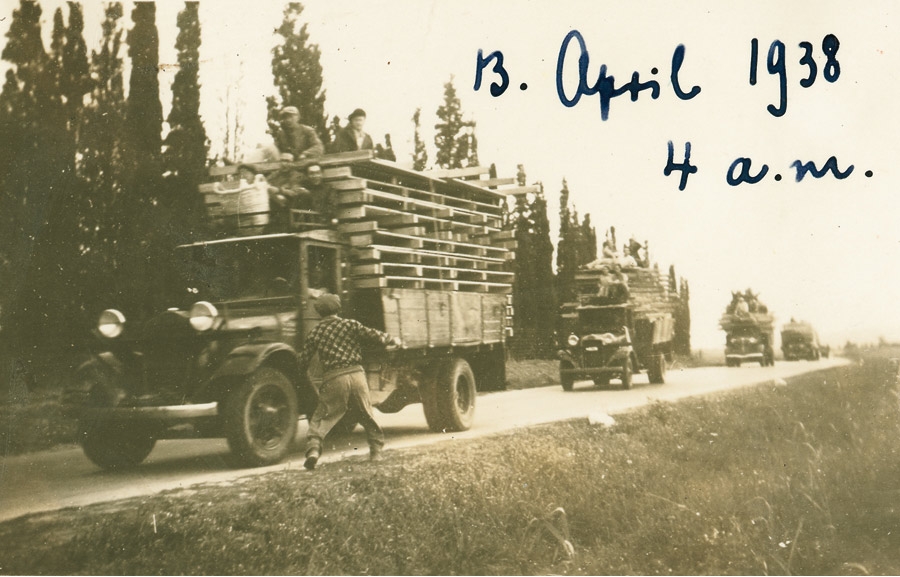
Judy's article “Transportation and Transport” centers on building up the transportation and traffic system in and around Shavei Zion.
After founding the settlement, Shavei Zion needed access to the regional transport system. A road to Shavei Zion was built with sand from the beach, a logistics system had to be set up, and a bus line was opened. In Shavei Zion itself, transportation often consisted of donkey carts, horses, and tractors. And the sea played an important role in supporting the settlement during the War of Independence.
The Sea & Shavei Zion
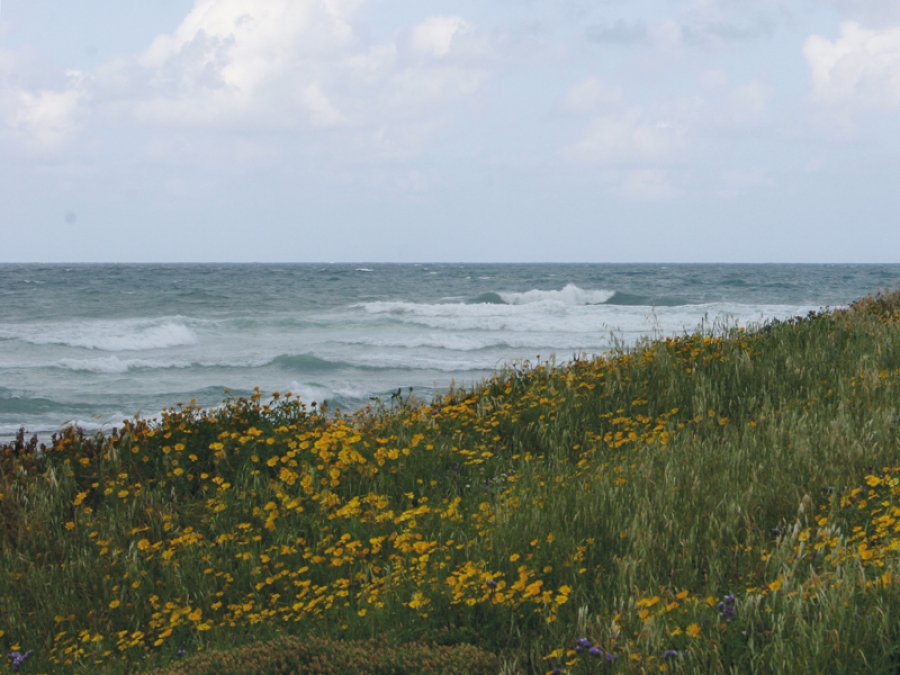
“The Sea” shows how the Mediterranean has shaped—and is still shaping—life in Shavei Zion in various ways.
Judy deals with the sea, among others, as a recreational area, as an economic factor, and as an escape way.
The Gardens of Shavei Zion
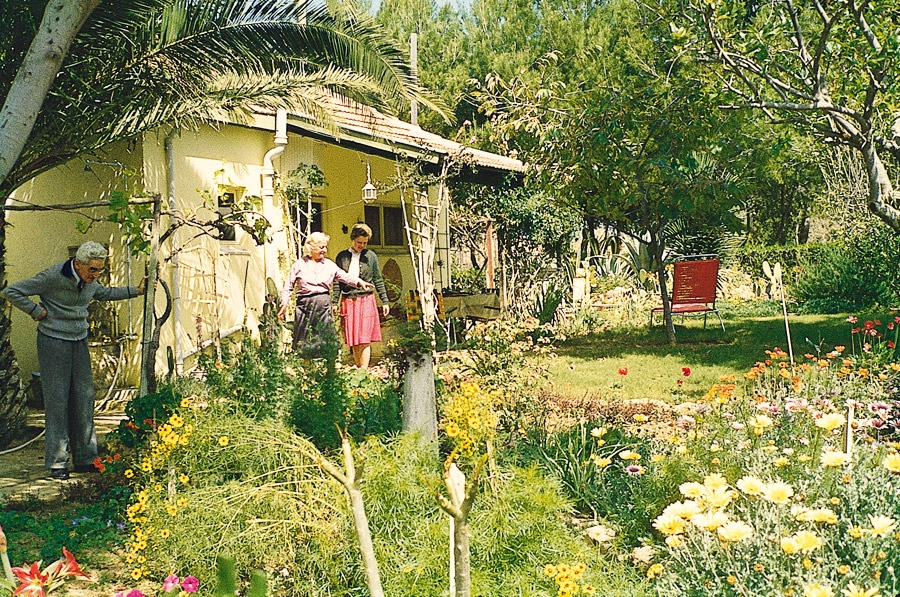
The article "The Gardens" from 2015 is about the gardens of Shavei Zion. In Israel, Shavei Zion has been famously known as "the green settlement" because it has set an example by incorporating hedges, trees, and gardens into its city planning.
The author describes the basic thoughs behind laying out gardens and the development of "green" Shavei Zion.
Winter in Shavei Zion
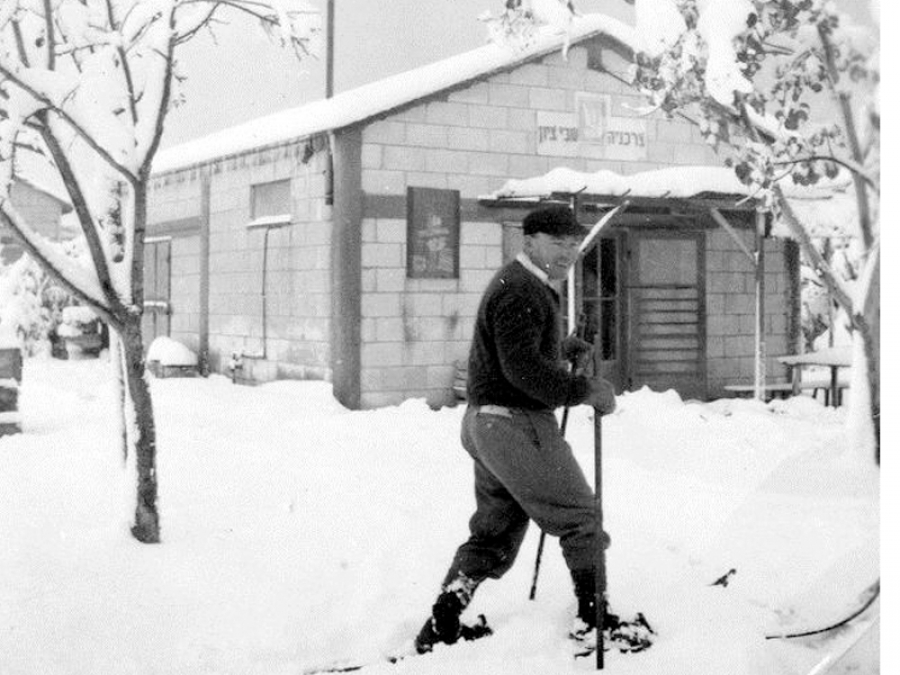
In “Winter”, Judy takes a look at the season that played such an important role for life in the new settlement, accompanied by some nice snow photographs.
The Beth Midrash – a new space for the religious community of Shavei Zion
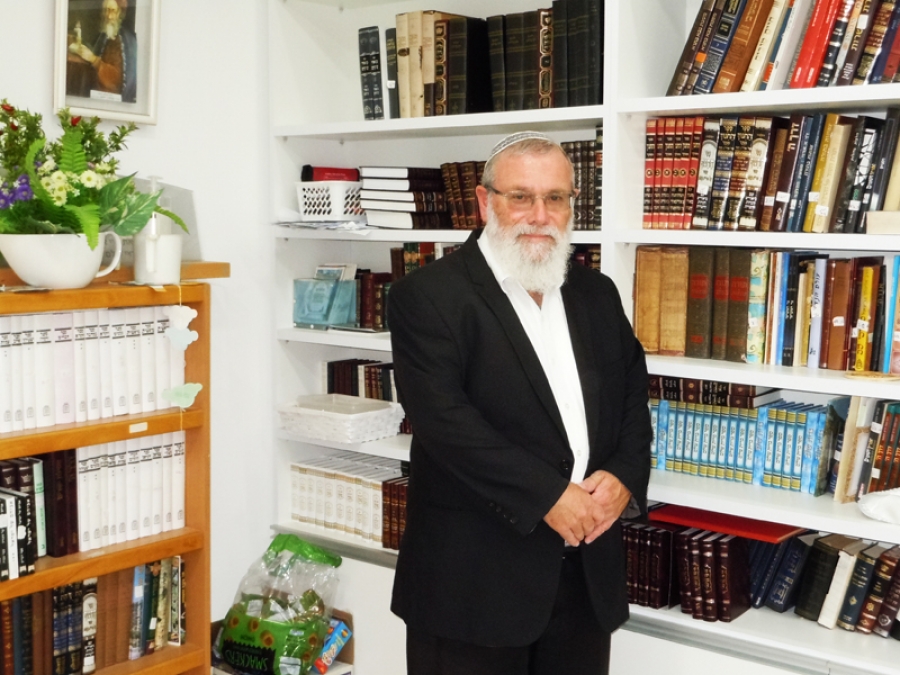
Judy Temime, who heads the local archive in Shavei Zion, writes: Recently, a small renovated building not far from the synagogue has been put to various uses by the community.
Originally, the aim was to find a new space for the synagogue's kitchen, which was too small for preparing the Kiddush on Shabbat or other festivities. In addition, there was a desire among young community members—most of whom were newcomers—for a modest “study room” that could be used for various teaching and learning purposes. In the meantime, the new “Beth Midrash” has been opened in Shavei Zion. It is located in an old concrete garage that was formerly used to store military equipment and most recently as a storage room by the neighboring kindergarten.
The residents of Shavei Zion did almost all of the work themselves to prepare the room, installing electrical and plumbing lines, painting the walls, laying the floor, and tiling the kitchen. The result is a friendly and bright room that is also wheelchair accessible. The small kitchen in the synagogue is being converted into a toilet.
Rabbi Jehoshua Helman teaches Bar and Bat Mitzvah candidates in the new “Beth Midrash,” and adults meet there in the evenings for religious studies.
About the author Judy Temime
Judy Temime is Shavei Zion's town archivist and regularly writes on different topics from Shavei Zion's history. You can now read these reports in English on the website of the Former Rexingen Synagogue. Judy Temime was born and raised in the USA.