Jewish Cemetery Horb
Established in 1903 - last burial in 1952
- Address
- Mühlener Straße
72160 Horb (Kernstadt)
Find route - Opening hours
- By appointment
Closed on Saturdays - Guided tours/Visits
- Guided tours available upon request
- Notes
- With the help of Horb's NABU (Nature and Biodiversity Conservation Union), the cemetery was made accessible again. Today, it is regularly maintained by students from Horb Secondary School.
About the cemetery
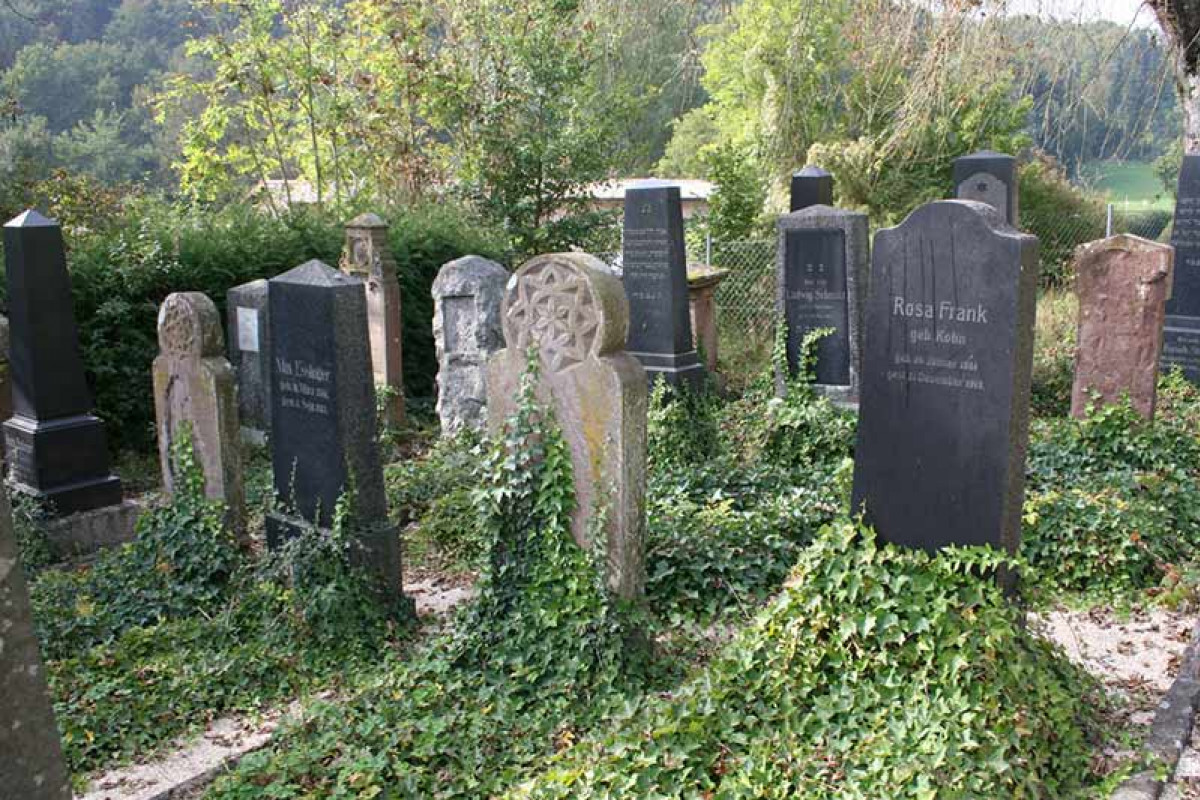
The cemetery in Horb is the youngest of six Jewish cemeteries in the larger district of Horb. It contains 75 graves, including double graves. The first funeral took place in 1904, the last in 1952.
Geschichte des jüdischen Friedhofs Horb
In 1903, the Jewish community bought the site on the border to Mühlen from the town corporation and set up a cemetery there. It is somewhat above the road to Mühlen on the left side. A small mortuary near the entrance was presumably destroyed in 1938. Slabs bearing the names were smashed, tombstones knocked over and stolen from the cemetery.
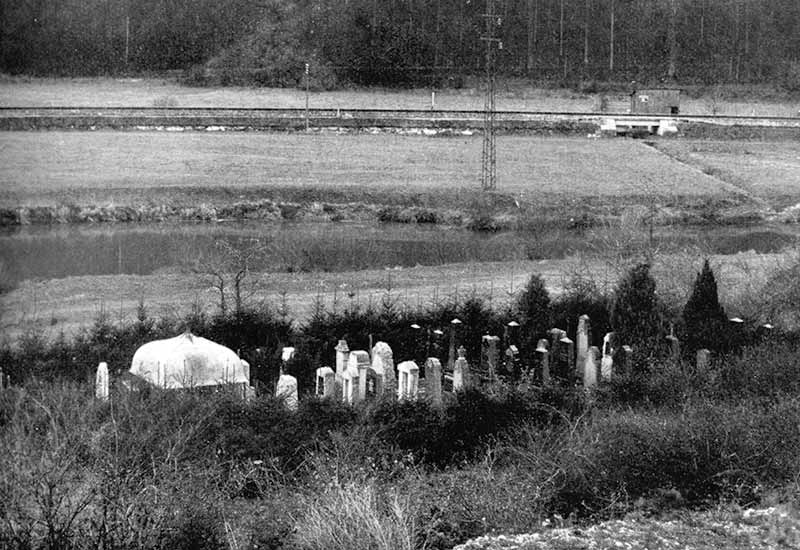
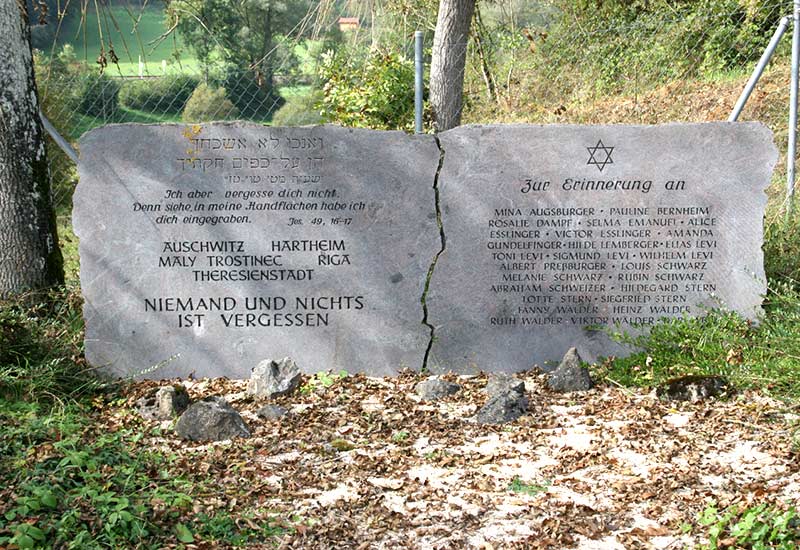
Today the cemetery is owned by the Israelite Religious Community of Württemberg. The town of Horb is responsible for care and maintenance. In 2003, a memorial stone was erected in the cemetery for the Jewish community and those who were murdered.
In contrast to the much older cemeteries in the wider district of Horb, little sandstone is to be found here. In keeping with the taste of the day, unornamented granite stones predominate, often in the form of an obelisk or stele. The double graves for married couples are remarkable since they are seldom found elsewhere.
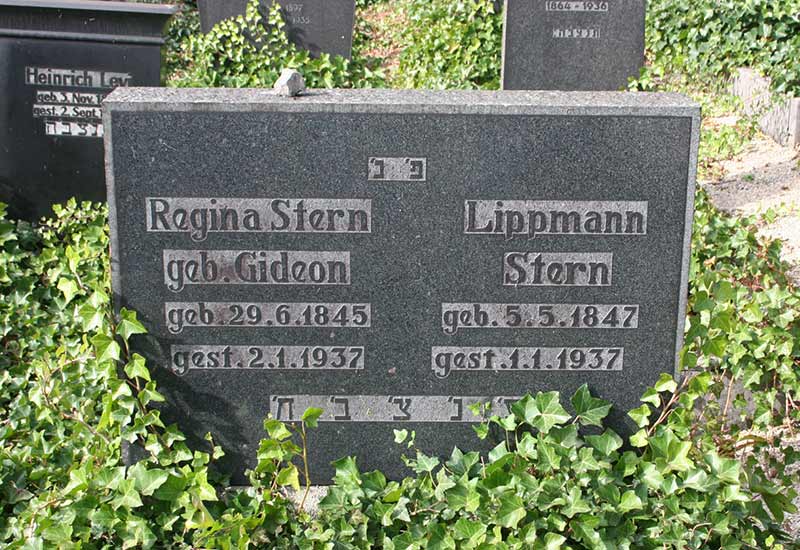
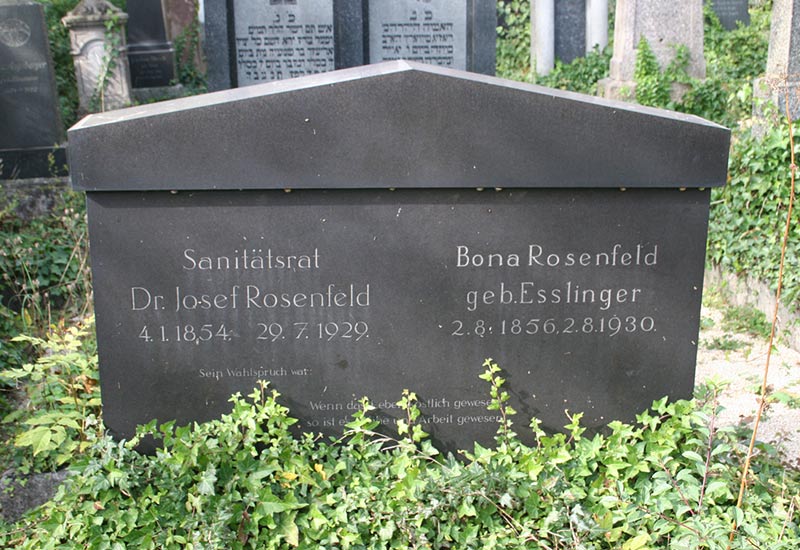
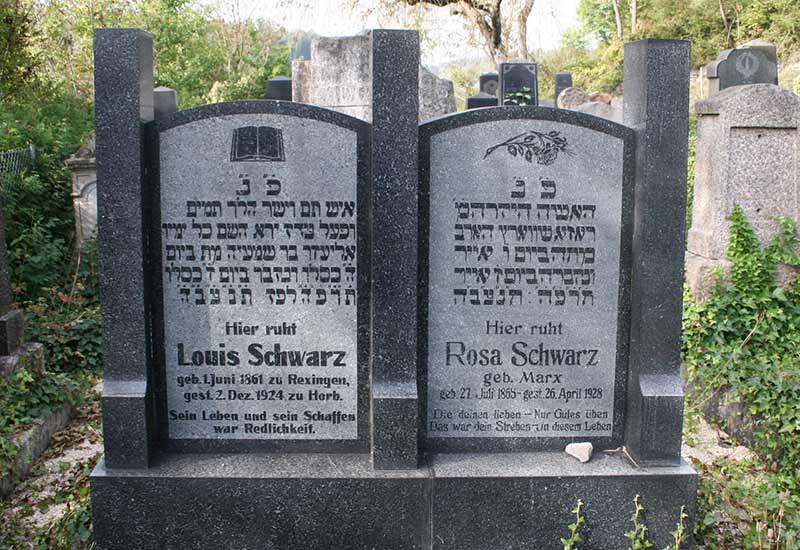
It is remarkable that almost all those buried here came from the surrounding rural communities but were not born in Horb.